The material you choose decides how long your track lasts, how fair the racing is, and how much your volunteers grumble at setup. Here’s an honest look at all three — from a company that builds tracks for a living.
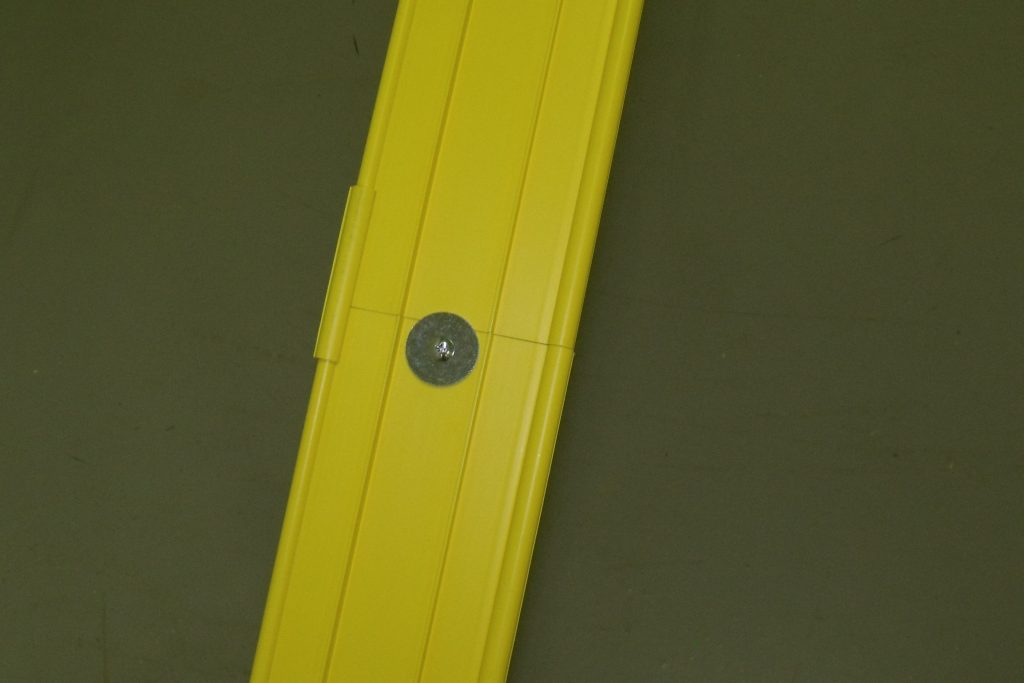
We build our tracks from precision-machined PVC, so we have a point of view — but a buying decision this big deserves the real pros and cons of every option, including where PVC falls short. Here’s the straight story on wood, aluminum, and plastic.
Wood tracks
Many groups start with a homemade wooden track. They’re nostalgic, and a skilled carpenter can build one for the cost of materials.
Pros: low cost if a volunteer builds it; a classic look.
Trade-offs: wood is heavy and bulky to store and move, and it reacts to its environment. Stored in a damp basement or a hot garage, a wooden track will eventually warp, twist, and swell — and once it warps, the lanes go uneven and cars start drifting or jumping the lane guides. Wooden surfaces also need periodic sanding to stay smooth and splinter-free. For a one-time backyard race, wood is fine; for an organization that races every year, it rarely holds up.
Aluminum tracks
Aluminum was the first big upgrade from wood and remains popular, with a fast, consistent surface.
Pros: fast and slick; doesn’t warp from humidity; lighter than a comparable wooden track.
Trade-offs: aluminum tends to be louder — the metal amplifies wheel noise, which can be a lot in an echoing gym. A section can dent or kink if it’s dropped or mishandled, and a bent extrusion is difficult to straighten. Aluminum also conducts heat, so a track in direct sun can get hot to the touch, something to weigh for outdoor events.
Precision PVC tracks
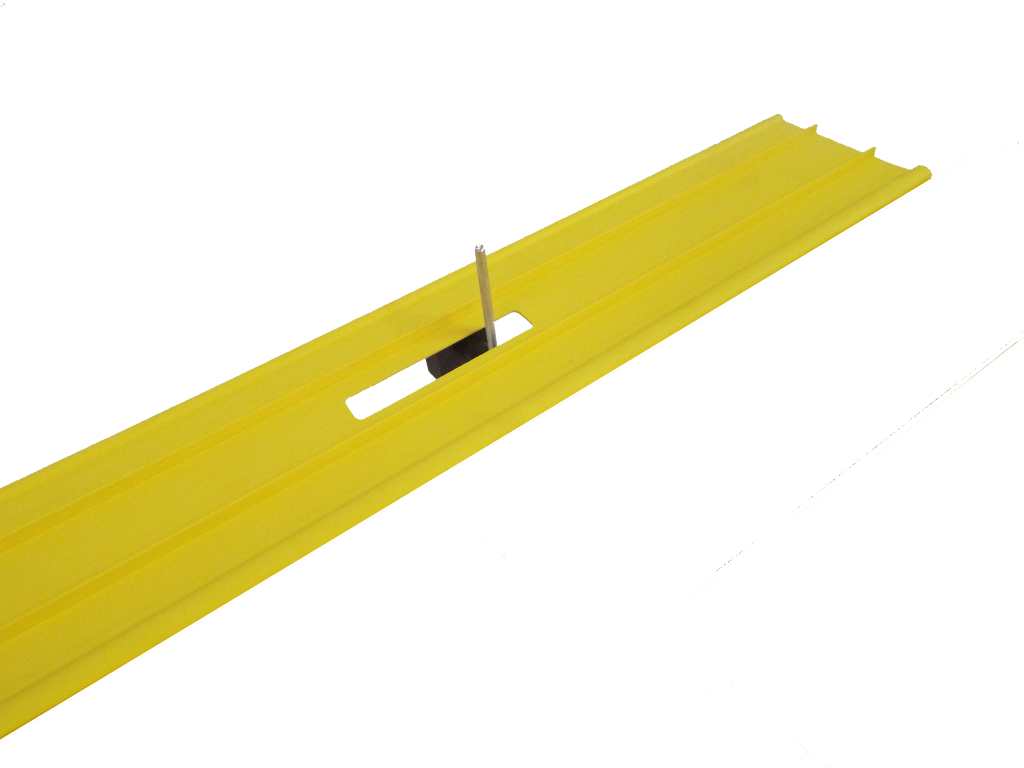
PVC is the material we chose, and it solves most of the headaches above for the way volunteer groups actually use a track.
Pros: smooth and fast — comparable to aluminum for speed — and it runs quieter, absorbing vibration instead of amplifying it. It won’t warp, twist, or rot with humidity, so it keeps a fair, flat surface year after year. It’s lightweight, so one volunteer can carry a section, and it tends to flex and spring back rather than take a permanent dent in transport. It also stays cooler than metal in the sun.
Trade-offs: like any plastic, PVC can turn brittle if it’s stored in extreme, sub-freezing cold and then handled roughly before it warms — so let a cold track acclimate to room temperature before assembly. It’s also a manufactured product, not a weekend carpentry project, so there’s an upfront cost.
Side-by-side comparison
| Feature | Wood | Aluminum | Precision PVC |
|---|---|---|---|
| Durability | Low (chips, splinters) | High (can dent if dropped) | High (resists denting; flexes back) |
| Lane fairness over time | Low (warps) | High | High |
| Noise | Moderate | Louder (amplifies) | Quieter (absorbs) |
| Weight & portability | Very heavy | Lightweight | Lightweight |
| Warping risk | High (humidity) | None | None |
| Heat & sunlight | Fair | Fair (conducts heat) | Good (stays cooler) |
| Storage | Needs climate control | Tolerant (protect from drops) | Tolerant (avoid deep-freeze + rough handling) |
| Upfront cost | Low (DIY) | Higher | Higher |
Which should you choose?
- A small pack or one-time race on a tight budget: a simple wooden or entry-level track can work, as long as you can store it somewhere dry and flat.
- An organization that races every year: go with PVC or aluminum — the durability and lane fairness pay off fast when you reuse the track across many seasons.
- Lots of setup, transport, and tight storage: PVC’s light weight and flex-and-recover toughness make it the easiest to live with.
- Outdoor or hot venues: PVC stays cooler and shrugs off humidity.
- You want the quietest room: PVC absorbs vibration; aluminum amplifies it.
The bottom line
Wood is cheap but doesn’t last. Aluminum and PVC both deliver fast, fair, durable racing; the difference is in the details — noise, dent-resistance, heat, and weight — where PVC tends to be the easier track for volunteer-run groups to set up, move, and store. Whichever you choose, pair it with an electronic timer and race software so the finishes are fair and the day runs smoothly.
Frequently Asked Questions
Is aluminum or PVC better for a pinewood derby track?
Both are fast and neither warps like wood. Aluminum is durable but louder and can dent if dropped, and it conducts heat in the sun. PVC runs quieter, flexes and returns to shape instead of denting, and stays cooler outdoors. For most volunteer-run groups PVC is the easier track to live with; the best choice depends on your venue, storage, and how you’ll transport it.
Do wooden pinewood derby tracks warp?
Yes. Wood reacts to humidity and temperature, so a wooden track stored in a damp or hot space can warp, twist, and swell over time. Once it warps the lanes become uneven and cars start drifting or jumping the lane guides, which makes racing unfair.
Which track material is most durable?
Aluminum and PVC both far outlast wood. Aluminum is rigid and tough but can take a permanent dent or kink if a section is dropped. PVC tends to flex and spring back rather than dent, and it won’t corrode or rot — so both last many years with reasonable care.
What material is best for an outdoor pinewood derby?
PVC. It stays cooler than metal in direct sun and won’t warp from humidity. Keep any electronic timer shaded and dry, and let a cold track acclimate before assembly.