Pinewood derby tracks come in 1 to 8 lanes. The right number comes down to one question: how many cars are you racing? Here’s a simple way to decide.
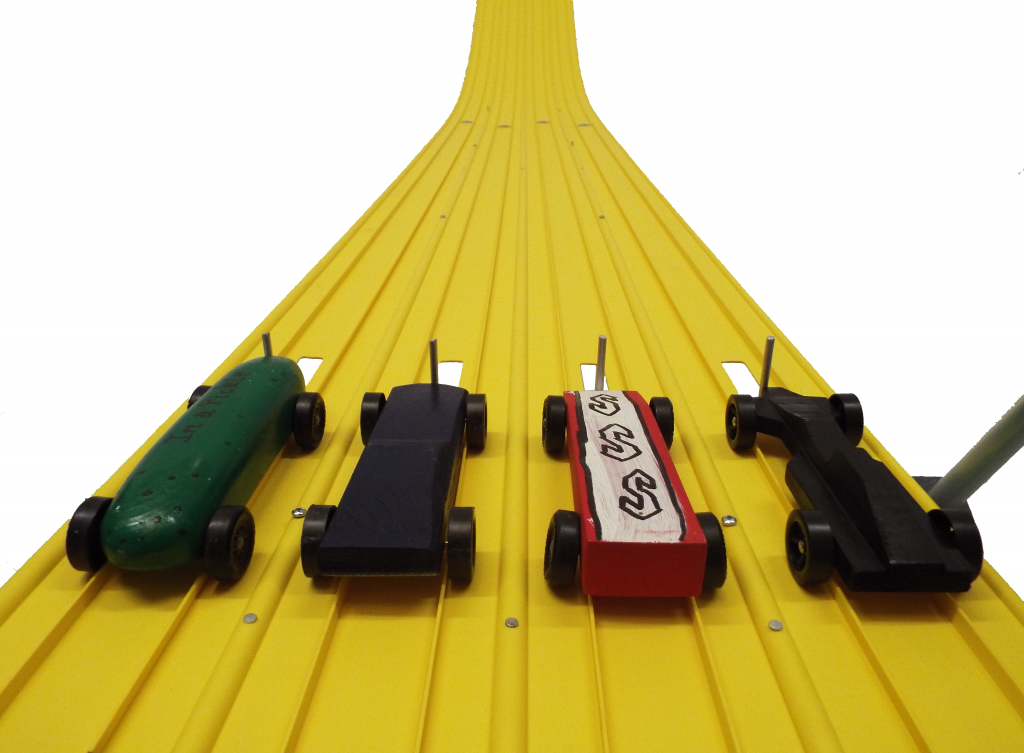
The short answer
| Your group | Lanes | Why |
|---|---|---|
| Under 30 racers (small pack, club, neighborhood) | 2–3 | Simple, affordable, small footprint |
| 30–60 racers (typical pack, school event) | 4 | Best balance of excitement and speed; easy for two volunteers |
| 60–120 racers (large pack, multi-den) | 6 | Moves a big field without dragging |
| 120+ / district / multi-pack | 6–8 | Maximum throughput — plan for the space and volunteers |
By group size, in detail
Small groups (under 30 racers)
A 2- or 3-lane track is usually plenty. Fewer lanes keep the focus tight, make it easy for younger kids to follow their own car down the run, cost less up front, and take up less floor space. The trade-off is more rounds to get through everyone — perfectly fine for a small roster.
Medium groups (30 to 60 racers)
A 4-lane track is the sweet spot for the average Cub Scout pack or school event. You get enough cars racing at once to make heats exciting and competitive, and you can move through a moderate roster efficiently. It’s also easy on volunteers — you typically need only two people at the start gate to load cars quickly.
Large groups and district races (60+ racers)
For a large pack, a multi-pack district derby, or a big corporate event, step up to 6 or 8 lanes so you can race more cars at once. Just plan for the trade-offs below: a wider track needs more floor width and more volunteers to stage and retrieve cars.
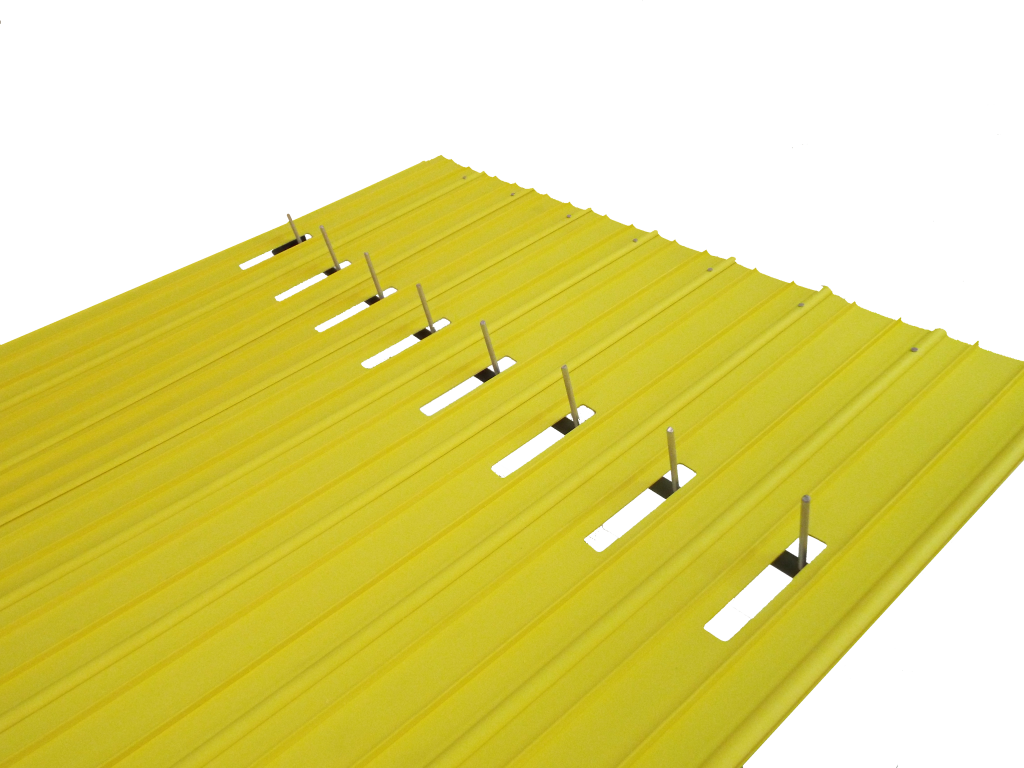
Lanes and race time
More lanes mean more cars line up side by side. Depending on how you run the schedule, that lets you either shorten the day or give each car more runs — rotating every car through every lane, which cancels out any tiny lane-to-lane differences and makes the results fairer. Fewer lanes keep things simple, but you’ll run more rounds to give everyone their turns. Pairing any track with race-management software is what keeps a multi-lane schedule moving without whiteboard math.
Other things that go with lane count
- Space. More lanes make the track wider, not longer — so you mainly need more room at the sides of the start and finish. Track length is a separate decision; see our dimensions guide.
- Budget. Each added lane uses more material, so cost rises with lane count. Current options are on our pricing page.
- Volunteers. A 6- or 8-lane race needs more hands to stage cars at the start and retrieve them at the finish without bottlenecks.
- Transport & storage. A wider track is a bit more to move and store, though Derby Magic’s PVC sections stay light enough for one person to carry.
The bottom line
Match the lanes to your field: 2–3 for small groups, 4 for a typical pack, and 6–8 for large or district events. When in doubt, size up one step if your group is growing — it’s easier to grow into a track than out of one. For help choosing length and options too, read the full track buying guide or see current pricing.
Frequently Asked Questions
How many lanes does a typical Cub Scout pack need?
For a typical pack of 30 to 60 racers, a 4-lane track is the sweet spot. It puts enough cars on the track to make heats exciting, moves a moderate field efficiently, and only needs about two volunteers at the start gate.
Is a 2-lane track enough?
For a small group under about 30 racers, a 2- or 3-lane track is often plenty. It costs less, takes less space, and is easy for young kids to follow. The trade-off is more rounds to get through everyone.
Do more lanes make the race shorter?
More lanes let more cars race side by side. Depending on your format, that lets you either shorten the day or give each car more runs for fairer averaging. Fewer lanes mean more rounds and a longer event.
How much more space does a bigger track need?
More lanes make the track wider rather than longer, so you mainly need more side room at the start and finish. Track length — and the floor length you need — is a separate choice; see our dimensions guide.