Not every track needs six lanes. A single-lane track with a timer is the quiet workhorse of pinewood derby — perfect for practice, testing, and racing where space is tight.
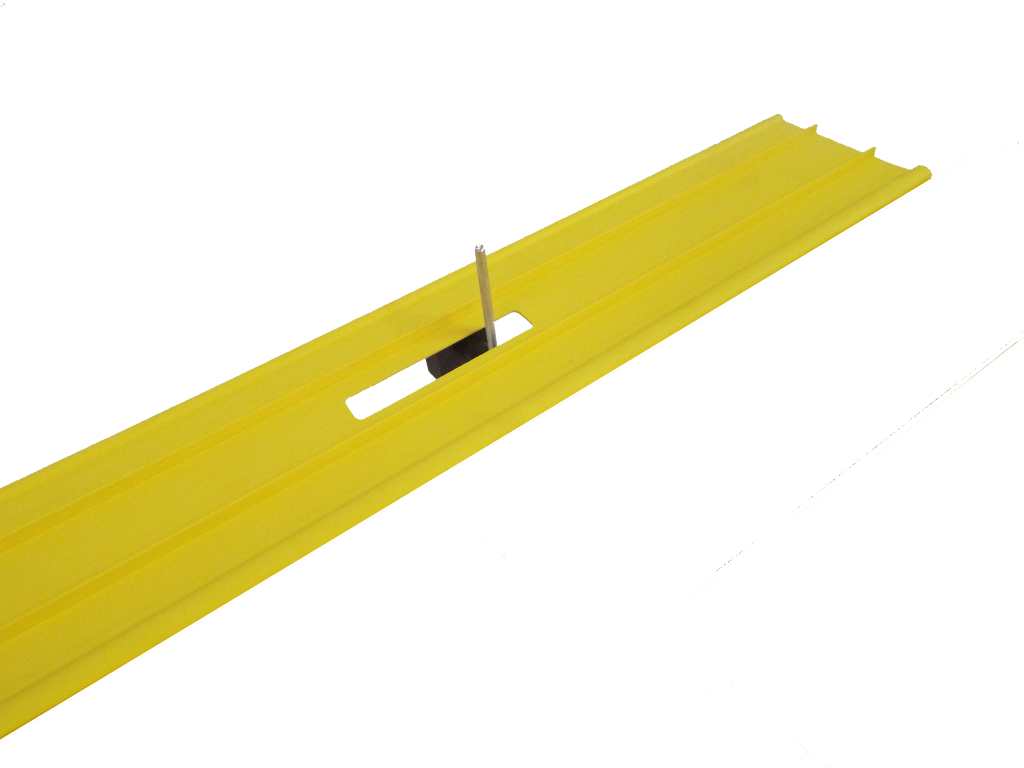
What a single-lane track is
It’s exactly what it sounds like: one racing lane with a start gate, a finish, and a timer. Cars don’t race side by side; each runs the lane on its own and competes on its elapsed time. That changes how you use it — less about the roar of a head-to-head heat, more about precise, repeatable measurement.
What it’s great for
- Practice and tuning. A racer (or a den) can run a car, make a change — wheel prep, weight placement, lube — and run it again to see if the time actually improved. A single lane is the ideal test bench.
- A “test track” at den meetings or at home. It takes little space and lets kids learn what makes a car fast before the big race.
- Small-space or small-group racing. Where a multi-lane track won’t fit, a single lane still delivers a real, timed competition.
- Time-trial events. Run everyone down the same lane and rank by elapsed time — a simple, fair format that needs minimal setup.
You’ll want a timer
Because cars aren’t racing side by side, the timer is what makes a single lane useful — it records each run to the thousandth of a second so you can rank cars or measure whether a tuning tweak helped. Without one, there’s nothing to compare.
When to go multi-lane instead
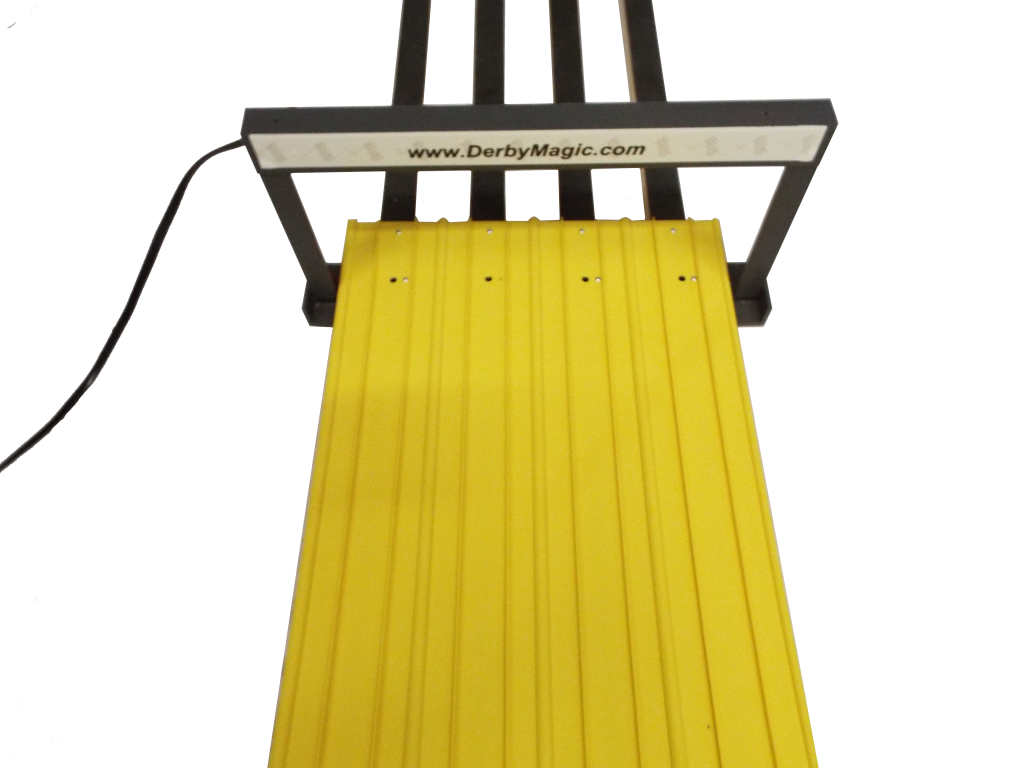
For your main event, a multi-lane track is more exciting — side-by-side racing is what the crowd comes for, and it moves a big field faster. Many groups own both: a multi-lane track for race day and a single lane for practice and testing. If you’re choosing your main track, see how many lanes you need.
Frequently Asked Questions
What is a single-lane pinewood derby track used for?
Mainly practice and testing: tuning a car at home or den meetings, checking changes against the clock, and racing in small spaces. Cars run one at a time and compete on elapsed time.
Can you run a real race on a single lane?
Yes, as a time trial — each car runs the lane and the fastest elapsed times win. Great for small groups or tight rooms, though multi-lane head-to-head racing is more exciting for a big crowd.
Do I need a timer for a single-lane track?
Essentially yes — without a timer there’s nothing to compare, since cars aren’t racing side by side. An electronic timer records each run to the thousandth of a second.