It’s the first question most organizers ask — and the honest answer is “it depends on what you need.” Here’s how to think about the price so you buy the right track, not just the cheapest one.
The short version
A pinewood derby track can run from a few hundred dollars for a small, single-lane setup up to around two thousand dollars for a large, multi-lane system with an electronic timer and race software. Where you land inside that range depends on four choices. For exact, current figures on every configuration, see our pricing page — we keep prices there so they’re always up to date.
What drives the price
- Number of lanes. This is the biggest factor — a 6-lane track uses far more material and machining than a 3-lane one. Not sure how many you need? See our lane guide.
- Overall length. Adding sections to extend the track (32, 38, or 44 feet) adds cost; see the dimensions guide.
- Electronic timing. A timer and finish line is a separate cost from the physical track — and the single best upgrade for a fair race.
- Software and options. Race-management software, a light tree, a solenoid or wireless start gate, and a carrying case each add to the total.
Think total cost, not sticker price
A track isn’t a consumable — it’s equipment you’ll set up year after year. Spread across a decade of races and hundreds of kids, even a premium multi-lane system often works out to just a few dollars per racer per year. A durable PVC track that stays flat and fair that whole time is far cheaper in the long run than a homemade wooden one you have to rebuild after it warps. When you compare prices, compare cost per race over the life of the track, not just the number on the invoice.
What’s included, and what’s an add-on
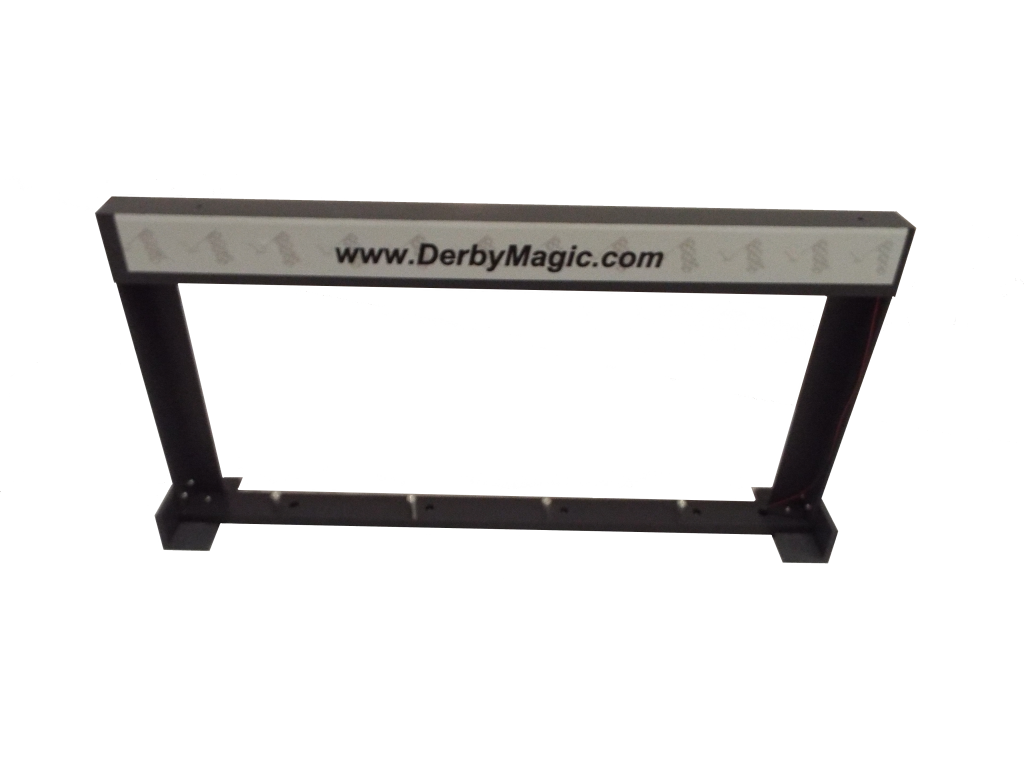
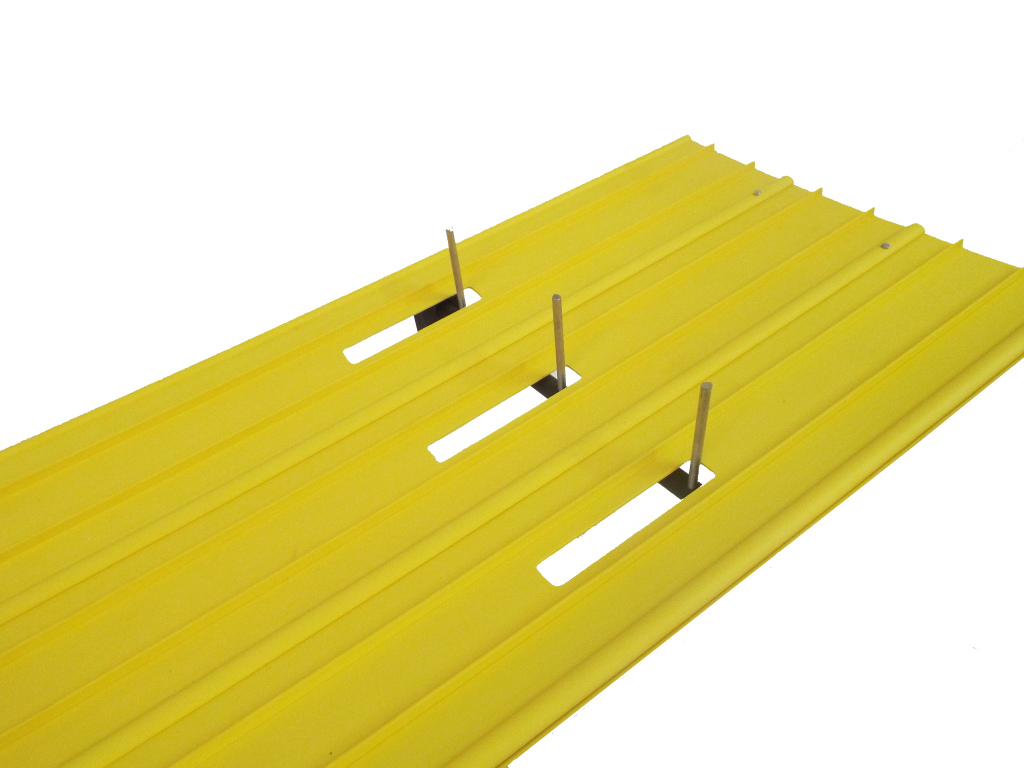
The base price covers the track itself, its support frame, and the braking section. From there you build the system to fit your event: a timer and finish line, race software, a light tree, your choice of start gate, and a carrying case are options you add. If you’re on a tighter budget, there are ways to trim — fewer lanes, a shorter length, or a lower-cost timer option — without giving up a fair, durable race.
Where to save, and where not to
Save by matching the lanes and length to your real field size rather than over-buying. Don’t save by skipping the timer — judging close finishes by eye is the fastest way to a disputed, unhappy race day. And be wary of the cheapest wooden tracks: the upfront savings disappear the first time one warps.
Frequently Asked Questions
How much does a pinewood derby track cost?
Broadly, from a few hundred dollars for a small, single-lane setup up to around two thousand dollars for a large multi-lane system with an electronic timer and software. The exact price depends on lanes, length, and options — see our pricing page.
What makes one track cost more than another?
Four things: the number of lanes, the overall length, whether you add an electronic timer and finish line, and race software plus options like a light tree, start gate, or carrier.
Is a commercial track worth it versus a cheap or homemade one?
For a group that races every year, yes. A durable track is reused for a decade or more, so the cost spreads across hundreds of racers — often just a few dollars per child per year. A homemade wooden track is cheap up front but tends to warp, which makes racing unfair and means replacing it sooner.
What’s included, and what costs extra?
The base price covers the track, support frame, and braking section. A timer and finish line, race software, a light tree, a start gate upgrade, and a carrying case are typically add-ons you choose to match your event.