A good track spends one day a year racing and the other 364 in storage. A little care keeps it flat, fast, and race-ready for a decade or more — here’s all it takes.
Maintenance
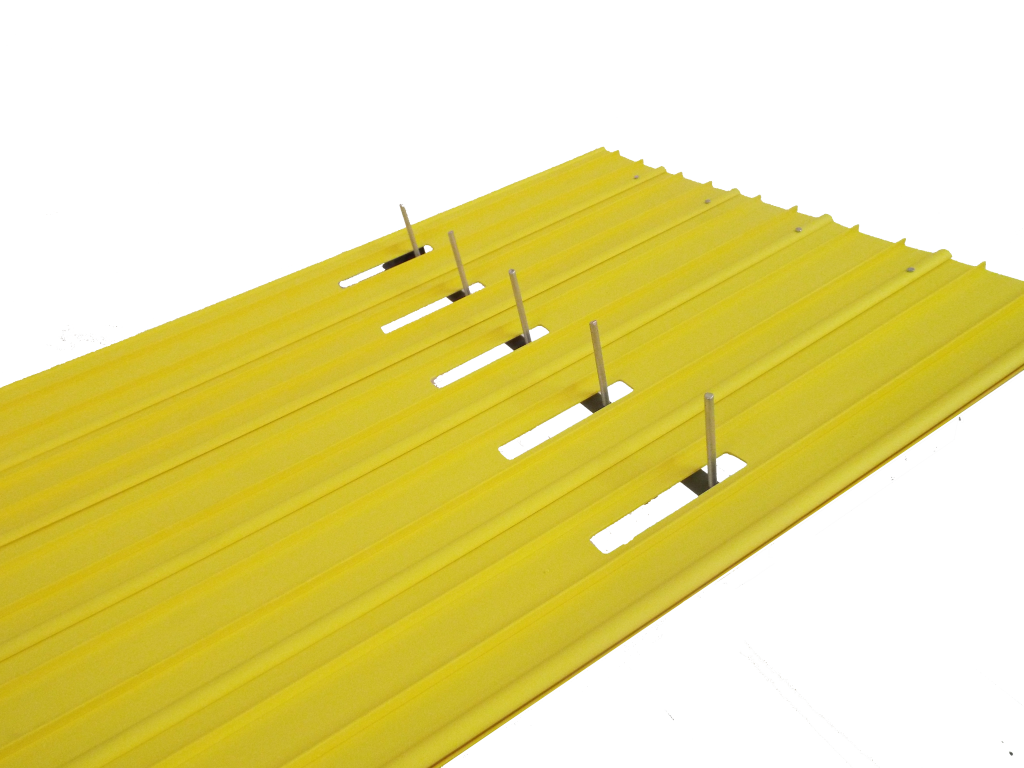
This is the easy part. A precision-PVC track doesn’t need the sanding and refinishing a wooden one does — it just needs to stay clean:
- Wipe the lanes before each race to clear dust, and wipe away graphite buildup from the guide so cars run true.
- Check the joints as you assemble — make sure each section is fully seated and the connecting screws are snug.
- Inspect the start gate and brake for smooth operation, and keep the timer’s sensors clean so every lane reads.
That’s it — there’s nothing to refinish and nothing that warps, so “maintenance” is really just a quick wipe-down and a once-over.
Storage
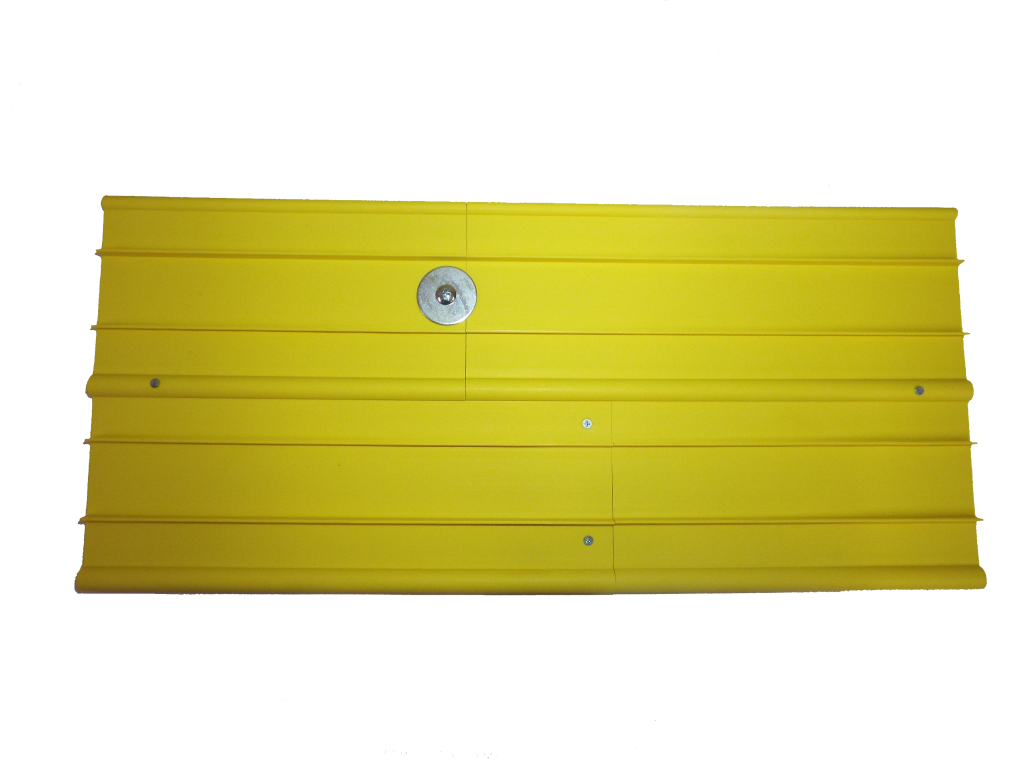
Pack the sections back into their original shipping boxes — they’re sized to hold the pieces safely — and store them flat in a cool, dry place. PVC won’t swell or warp from dampness the way wood does, but a climate-controlled spot protects the electronic timer and finish line and keeps the whole system race-ready. One tip: if the track has been stored somewhere very cold, let it warm to room temperature before you assemble it, so the plastic isn’t brittle when handled.
Transport
Because the track breaks into sections and PVC is lightweight, moving it is simple. The sections fit in a standard SUV, minivan, or a sedan with the seats folded, and one volunteer can usually load and unload the system. Keep the sections in their boxes so nothing rubs, and pad the timer and finish line so they don’t shift in transit. Toss the setup tools (screwdrivers and wrenches) in the box too, so they travel with the track.
Frequently Asked Questions
How do you maintain a pinewood derby track?
Very little is needed with PVC: wipe dust and graphite off the lanes before racing, check that joints are seated and screws are snug, and keep the timer’s sensors clean. Unlike wood, it never needs sanding or refinishing.
How should you store it?
Pack the sections into their original boxes and store them flat in a cool, dry place. PVC won’t warp from humidity, but a climate-controlled spot protects the electronics. Let a cold track warm up before the next setup.
How do you transport it?
The track breaks into sections that fit in an SUV, minivan, or sedan with the seats down, and PVC is light enough for one volunteer to load. Keep sections in their boxes and pad the timer so nothing shifts.