A district derby is just a pack race with the dial turned up — more cars, more people, more lanes. Get the scale right and a big event feels as smooth as a small one. Here’s what changes.
What’s different at scale
The racing is identical; the logistics are bigger. A district or multi-pack event usually brings together the top finishers from several packs — so you’re managing a larger field, more families, and more moving parts in one room. The fundamentals from running any race still apply; you just need more of everything.
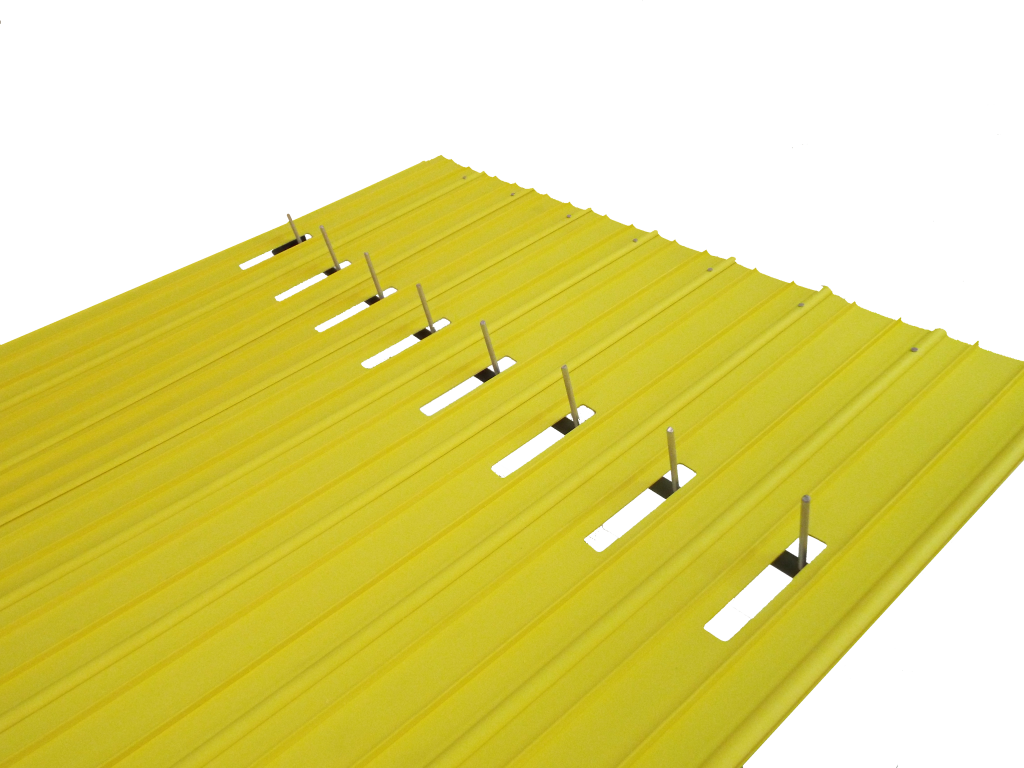
More lanes
This is the single biggest lever. A 6- or 8-lane track races more cars at once, so you move through qualifiers and finals without the day dragging. For a big field, lanes are what buy you time.
More space and more volunteers
Plan a bigger footprint — the longer, wider track plus staging, braking, a results display, and spectator seating for a crowd. And staff it: at scale you want dedicated crews for check-in, weigh-in and impound, staging cars at the start, retrieving at the finish, scoring, announcing, and awards. Brief everyone on their one job and the room runs itself.
Scheduling multiple packs
This is where software earns its keep. Import the full field, run a fair lane rotation so every car runs every lane, and let the software track standings across the whole event. Many districts have each pack send its champions as qualifiers, then race those cars together for district honors — the software handles seeding and keeps it all straight.
Logistics that make a big day smooth
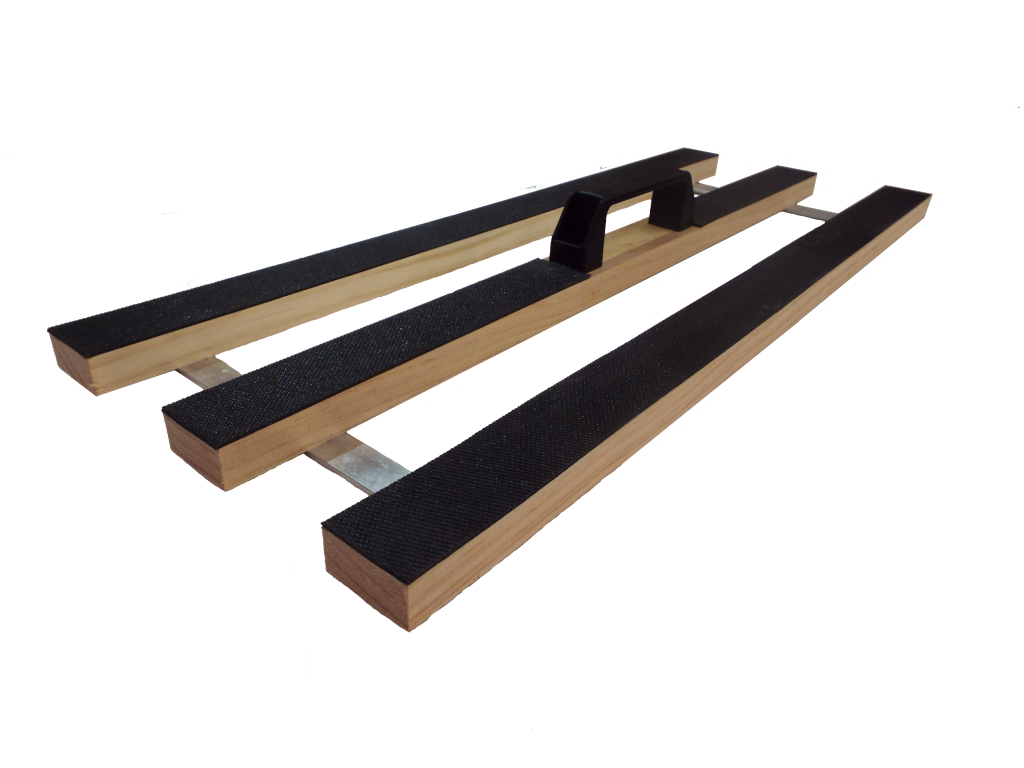
- Check-in & impound: a clear flow from registration to weigh-in to a secured impound area so cars don’t change after inspection.
- Staging: keep the next heats’ cars queued so there’s never a gap between races.
- Results display: a double-sided timer and a projected standings screen let a big crowd follow along from both sides.
- Awards: plan the ceremony in advance — classes, trophies, and a running order — so the finish is as organized as the racing.
The right equipment makes it feel small
The difference between a chaotic district race and a smooth one is almost always the equipment: enough lanes, an accurate timer, and software that does the scheduling and scoring. Get those right and a volunteer crew can run a hundreds-of-cars event without breaking a sweat.
Frequently Asked Questions
How is a district pinewood derby different from a pack race?
Same race, larger scale: the field is bigger (often pack champions who qualified), so you need more lanes, more volunteers, more space, and software that can handle a large field and seed qualifiers. The fundamentals don’t change.
How many lanes do you need for a district race?
A 6- or 8-lane track keeps a big field moving — more cars race at once, so you get through qualifiers and finals without the day dragging.
How do you schedule multiple packs in one derby?
Race software handles it: import all the racers, run a fair lane rotation, and track standings across the field. Many districts have each pack send its top finishers as qualifiers, then race those together for district honors.